

Podcast Series
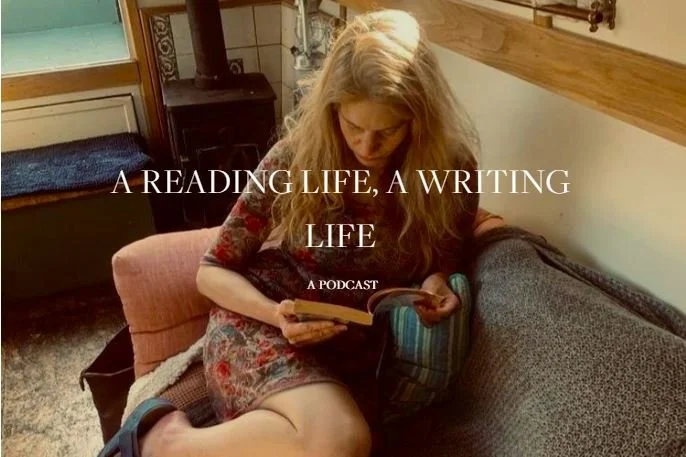
In this "literature and life" podcast, acclaimed writer Sally Bayley lives on a narrowboat, surrounded by the sights and sounds of nature, sustained by reading and writing. In this series, she invites us into her life, showing us how books have the power to change your life.
Sally shows us how literature and a connection to nature can console and give courage and insight even at the most difficult times. With the teaching and study of English Literature in steep decline in the UK, this is a passionate and urgently needed defence of the possibilities of literature to console, inspire and transform. Produced by BAFTA and Emmy Award winning producer Andrew Smith.
About Sally
Sally Bayley is a fiction and non-fiction writer who lives on a narrowboat on the River Thames in Oxford. Most days she swims in the river. Sally is currently a Lecturer in English at Hertford College, Oxford. She also teaches academic writing, literature, film and creative writing for the Sarah Lawrence visiting programme at Wadham College, Oxford. From 2018-2020 she was a Royal Literary Fund Fellow. In 2021 she was elected a Fellow of the Royal Society of Literature.
In 1990, Sally was the first child to go to university from the West Sussex Social Services Care system. She believes anyone can learn to write or think well given the right guidance.
One reader has described her books as ‘rhapsodies’, which means ‘to stitch a song.’
`No Boys Play Here is written prismatically, breaking up time and flashing a kinetic sequence of songs, nursery rhymes, and quotations,’
- Marina Warner, The London Review of Books
read the full review here

Photograph by ALEXANDRA KELLY, taken at Worcester College, Oxford, August 2019, at The ReLit Foundation Summer Course
Above (linked) is an example of one of Sally’s stitched songs: a short dramatic audio narrative inspired by Shakespeare’s Ophelia.
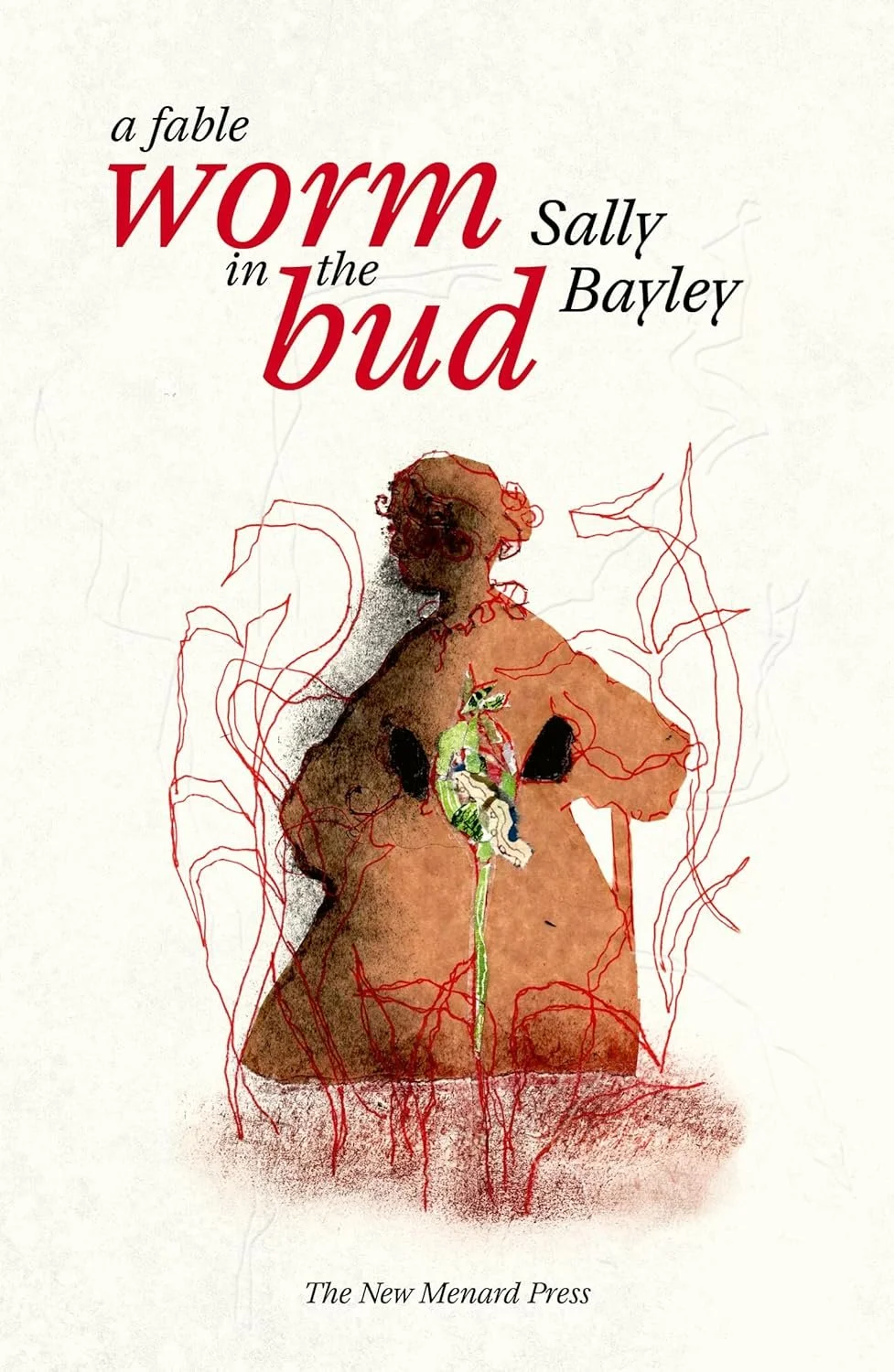
Lilian Blackwood is a sixteen year old girl who longs to be powerful. But the strict Victorian world she has been raised in does not allow girls to express themselves, and her desire to be noticed gets the better of her when she meets with the handsome Mr Tilney and his manservant, Carpenter. Set against the backdrop of Victorian England and the British Empire this is a fable of innocence unchallenged by experience and a comment on the ambiguities of love, sex and history. To pre-order go here: Forthcoming | The New Menard Press
Opening:
Lilian Blackwood was a liar but you would never know it by looking at her -- butter wouldn’t melt as they say -- although by the time you realised the butter was melting on the table in front of you, you’d have forgotten the facts of the matter. That lovely soft chin would have begun its wagging, so gently you could barely see; as the chin rose, so the lying began. What is in dispute, pray tell?
Lilian Blackwood was mistress of the art of disdainful distraction. By her mouth, pink and full as a rose, opening in the morning sun, then closing again by evening. At sixteen, Lilian already knew her worth. So, stay closed, closed, her mother said early on. How crude, Lilian, to keep your mouth open. Lilian must stay closed to the world, not because she was beautiful, but because she was afflicted with something dark.
Rose thou art sick, the invisible worm that flies in the night, in the howling storm, has found out thy bed of crimson joy. The rose must keep her secrets; she takes such pleasure from lying on her soft pink bed; the petals are ever so soft, but see -- her bud is a tiny pink fist – and oh, how it hits and digs with those thorns!
Lilian has quite a temper and poor Mrs. Finch, the housekeeper, bears the worst of it. Still, Lilian knows how to turn on the charm; how to rearrange herself after the storm has passed, the tumult and the rage. Those lips that a moment ago were jagged with fury are now quiet and subdued. And the nose, sitting neatly in the centre of the face, protrudes just enough to make an event of it. Lilian’s profile was fit for painters. Full lips pink and rippling when she laughed, although never too wide. That is vulgar, said her mother. Ladies do not show their teeth. ‘Lilian, close your mouth.’
Mrs. Blackwood, but a minor character in Lilian’s life, could only tut-tut from the sides. She had receded long ago. Vivian Chalfont as she once was, had been eclipsed by her daughter; a not surprising fact considering her long sojourns in her dark chamber. No crimson place of joy but a soft grave she had long ago sunk into. For Mrs. Blackwood was a sufferer of that most mysterious of female maladies, the headache. Where they came from no one knew, but come they did, descending like a thick miasma over her chamber, where she remained for days behind fog and clouds. And so, she was detained from her observing her daughter’s talent for fictions and tales. That was left to Mrs. Finch, the housekeeper, who was also ill-equipped for anything that might moderate Miss Lilian’s habits. For Mrs. Finch was infatuated, she was head over heels. ‘My sweet, pretty one’, she said of Lilian, and in her head she clucked and cooed over a brood of Lilians who gaggled behind her in pinafore dresses, reciting their times tables and snatches of poetry.
But Mrs. Finch was childless, and over that there is no feigning. Lilian somehow knew this and felt sorry for her, but not sorry enough not to play hard to get, which is the cruellest thing a child can do to a heart that needs filling. Still, there were other pretty things in the house with no dam to their name: Molly and Nancy, the maids, who Mrs. Finch followed about clucking and pecking at like a wild hen. Girls with no mothers or fathers. Mrs. Finch was hard on them, because someone ought to have known better; although she was never sure who exactly – perhaps God himself had been found lacking -- and at night Mrs. Finch faithfully said her prayers. Slid down on her knees and from her small narrow bed clenched her hands together ‘til they turned white. Those girls: they’ll be the death of me. But she took them under her wing, although her wing was rough, and her feathers flapped and flailed about. Mrs. Finch was sure that the only way to handle young serving girls was with firmness. But beneath that firm stretched skin, red and angry and popping with spit when she was riled, Mrs. Finch had a heart. Alas, most of it went to Miss Lilian, who was slowly eating it up.
Teaching and Mentoring
Sally has a keen interest in the Liberal Arts tradition of education. From 1995-1999 she taught for an aesthetic education project based around the Lincoln Centre in New York. Since then, she has taught literature and writing through an interaction with music, theatre, dance, poetry, history and philosophy. Sally enjoys mentoring students of all ages as they try to find a critical or creative voice in their own writing and thinking.

The ReLit Foundation Summer Course at Worcester College, Oxford, 2018
Most Recent Book:
The Green Lady

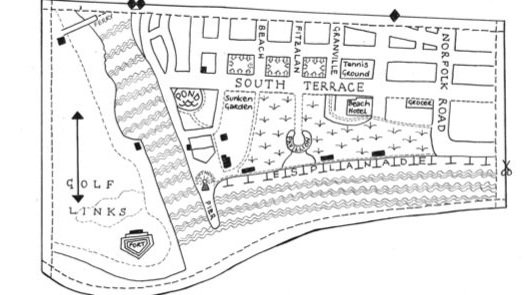
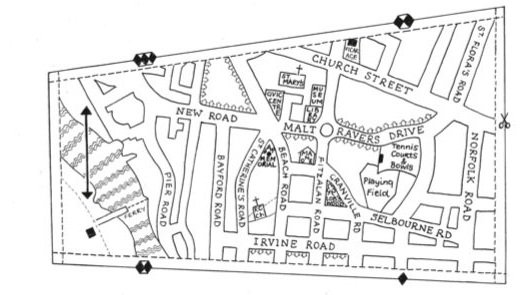
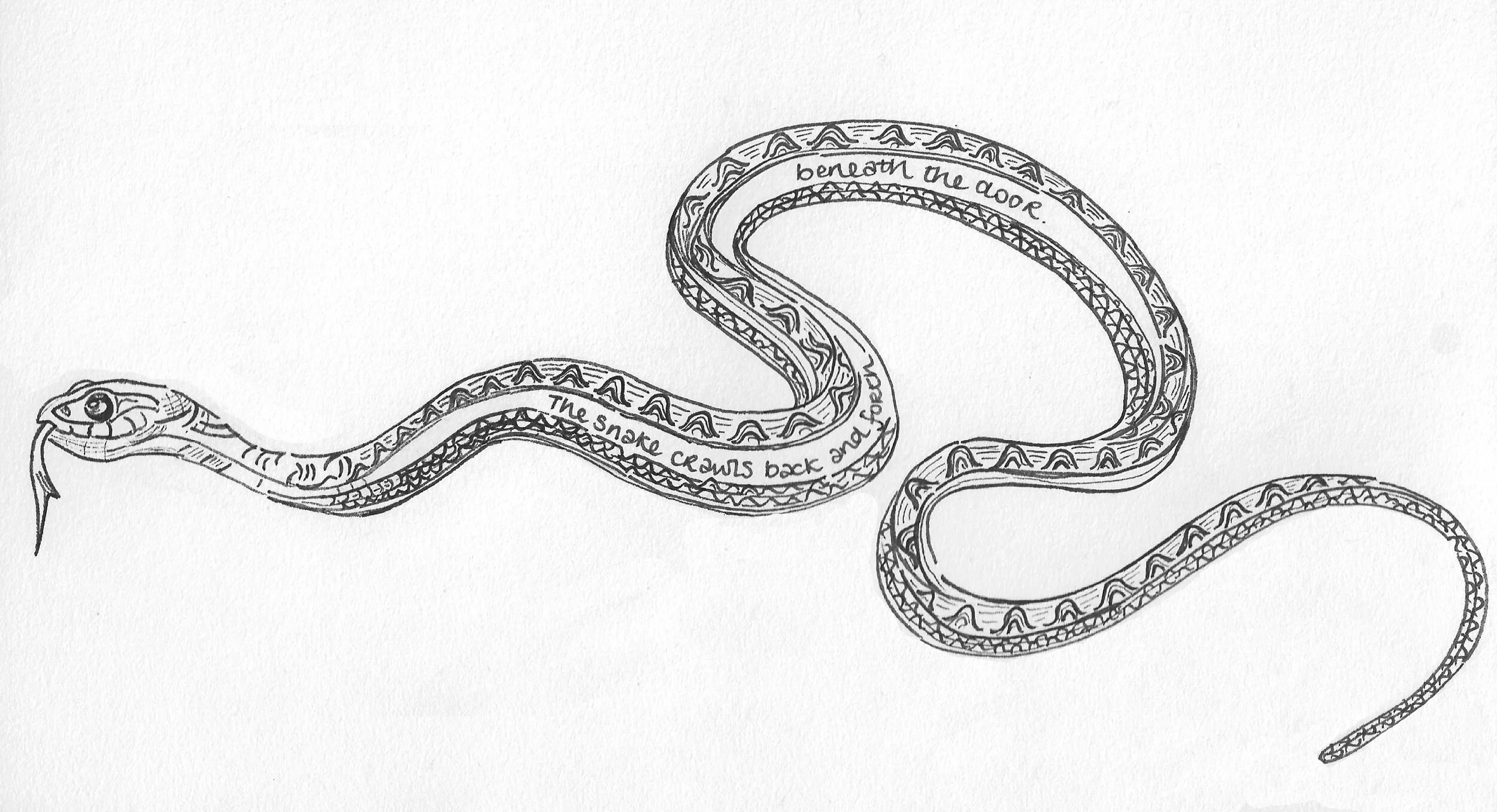
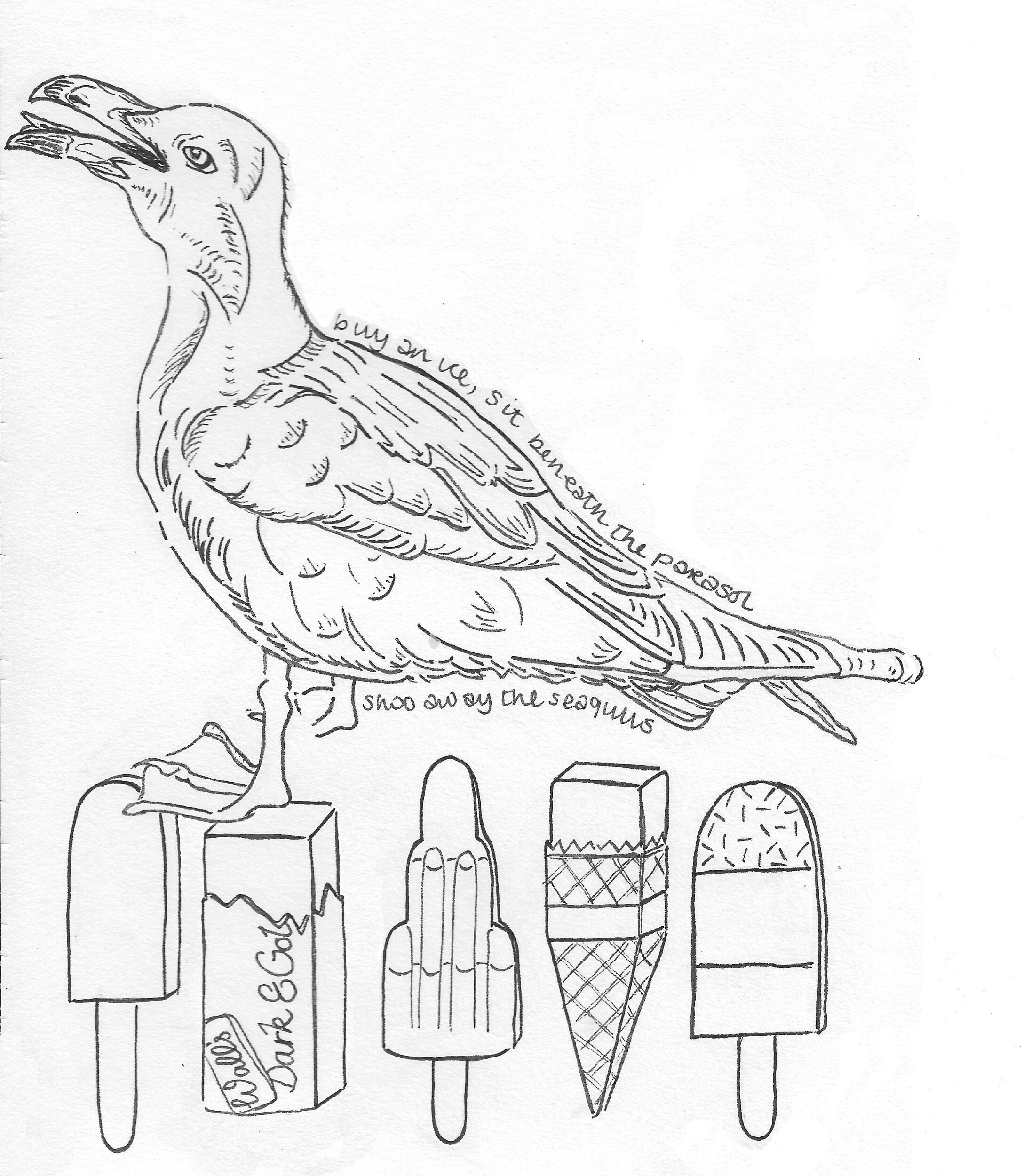
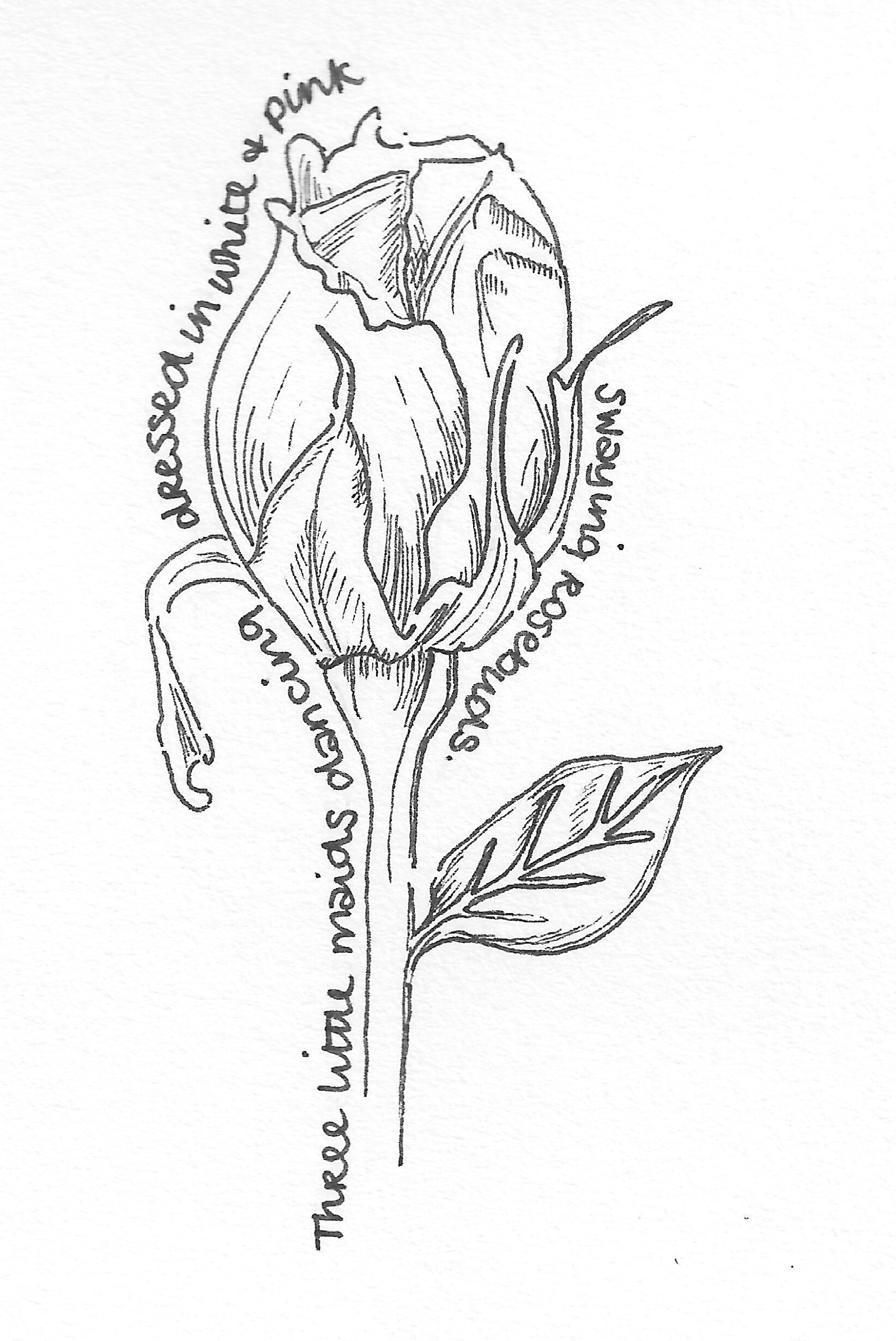
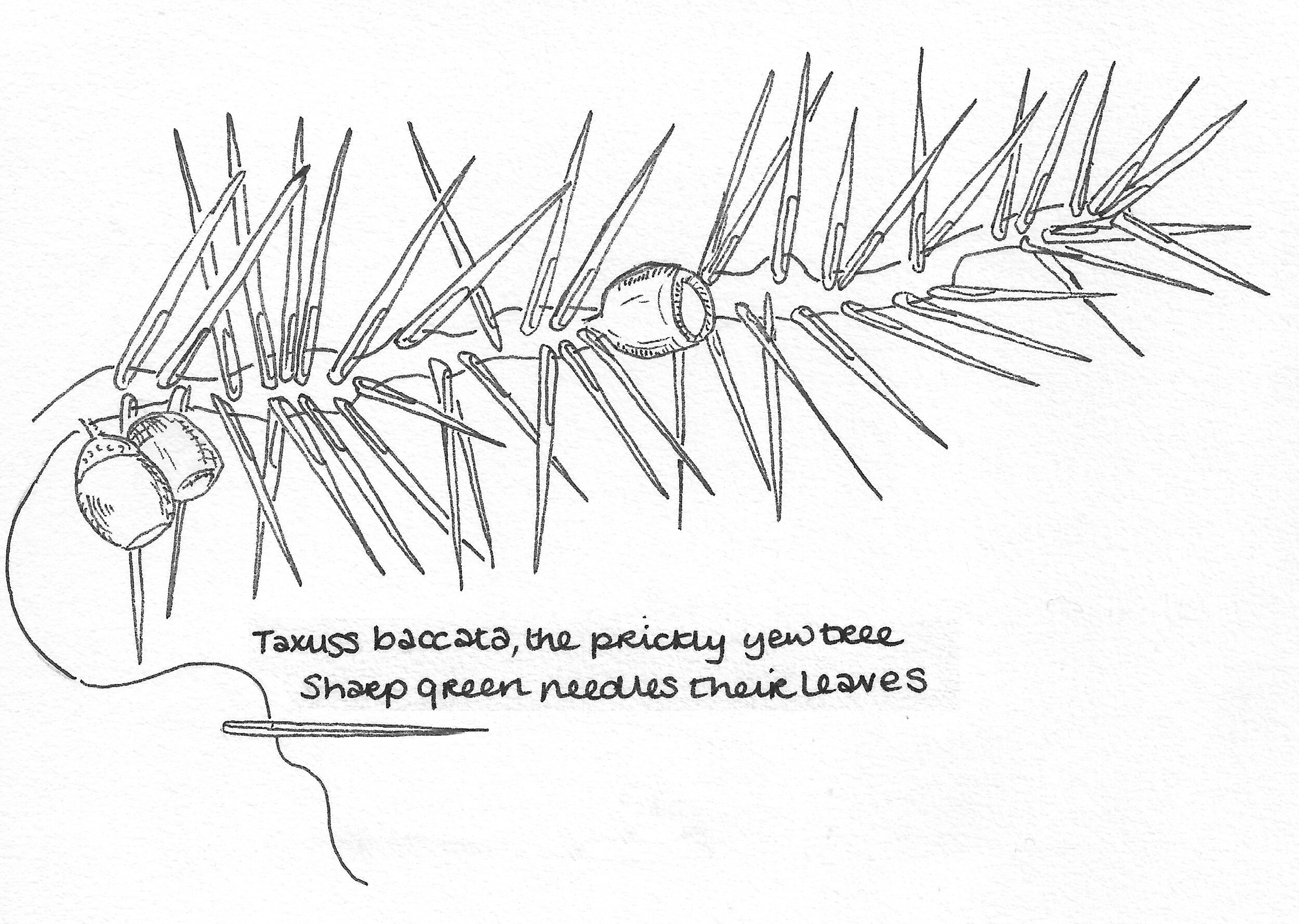
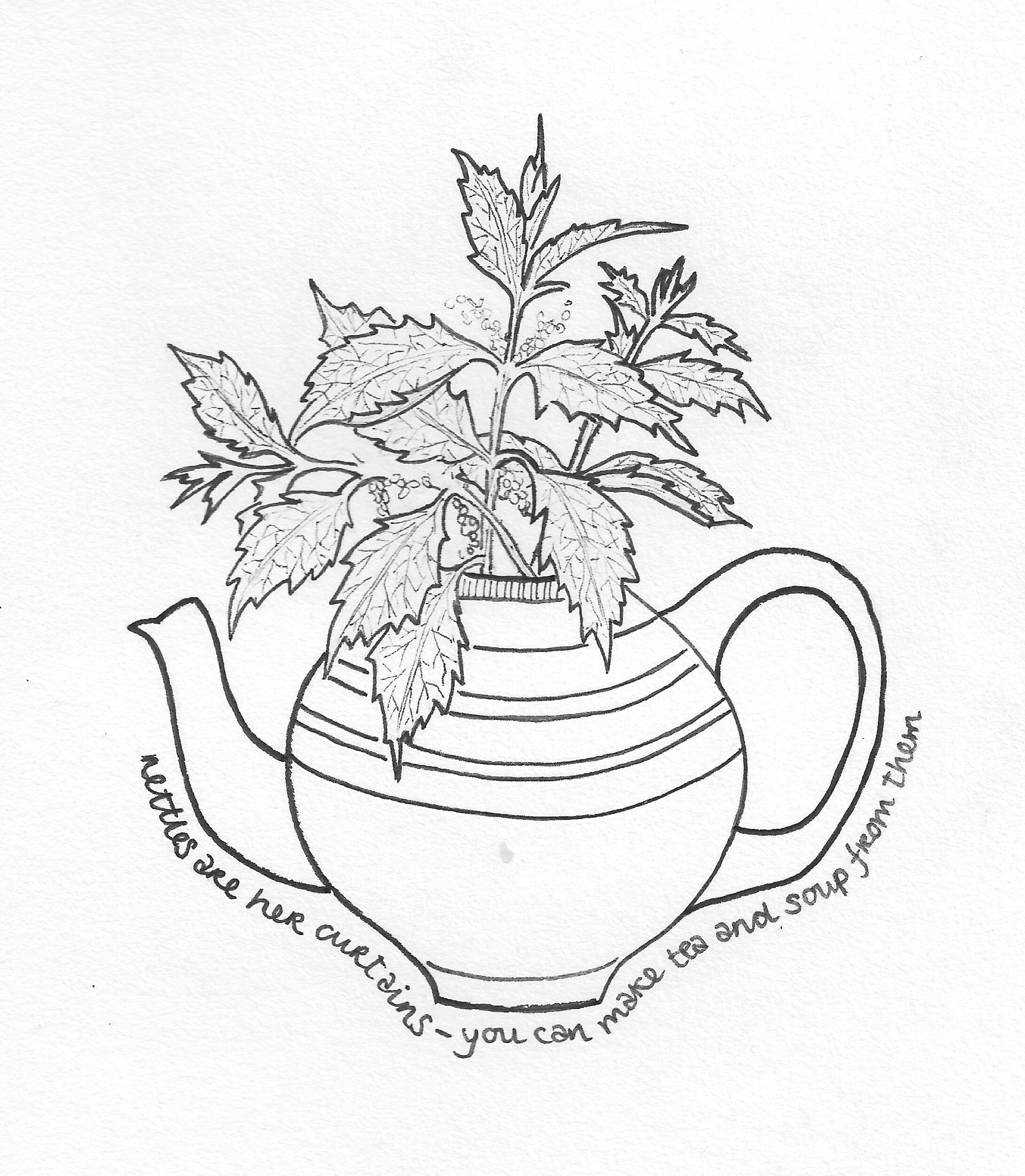
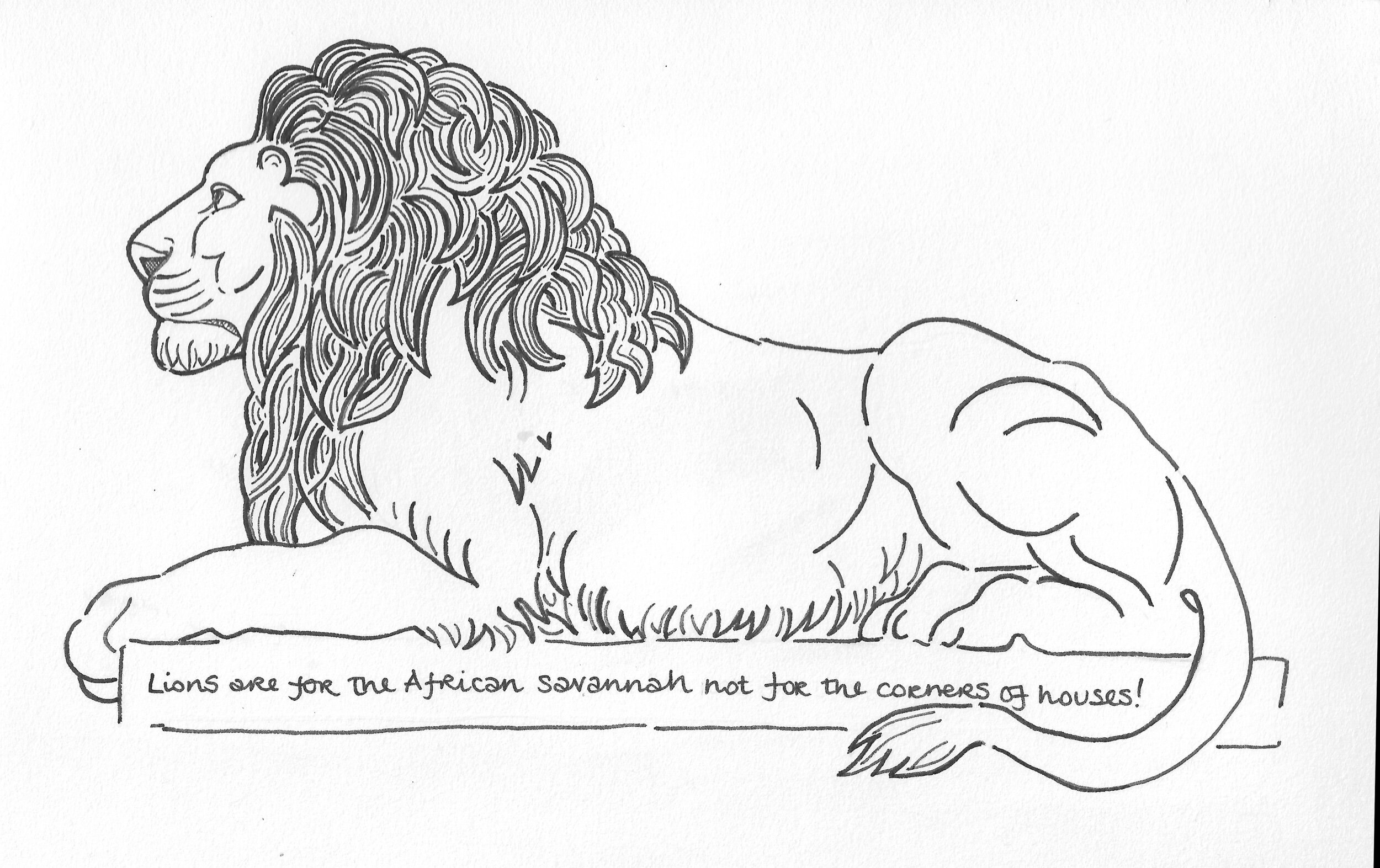
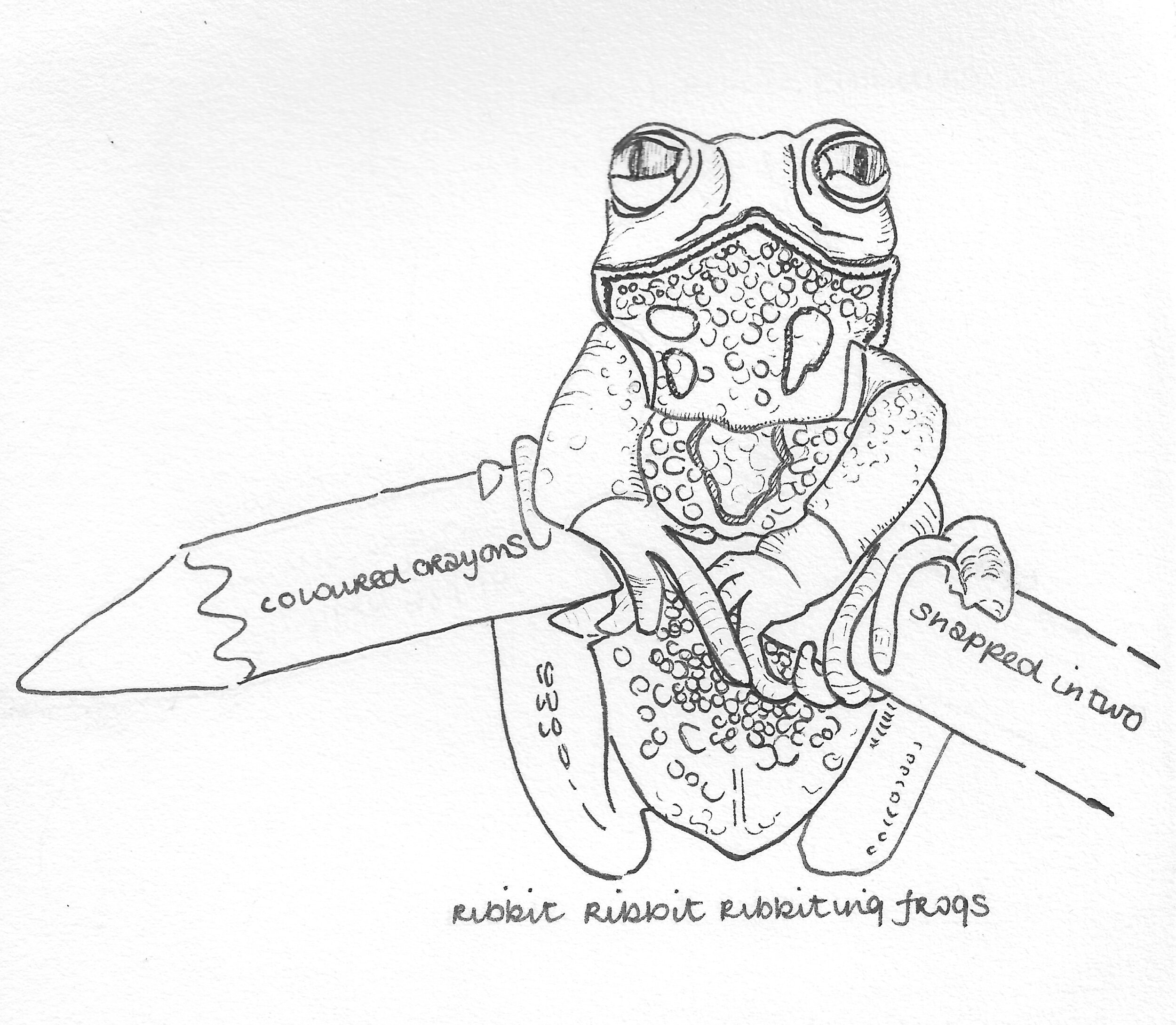
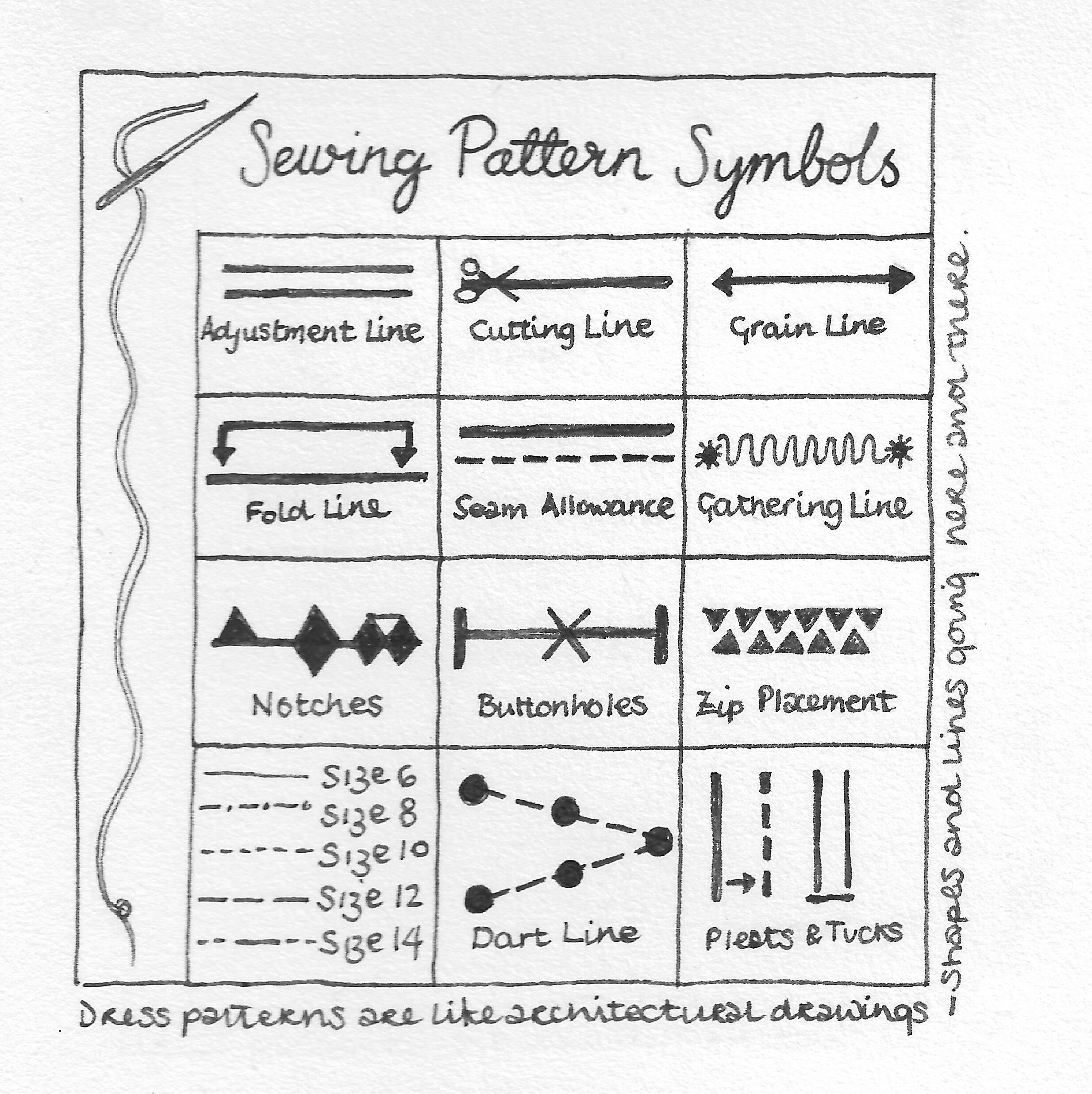
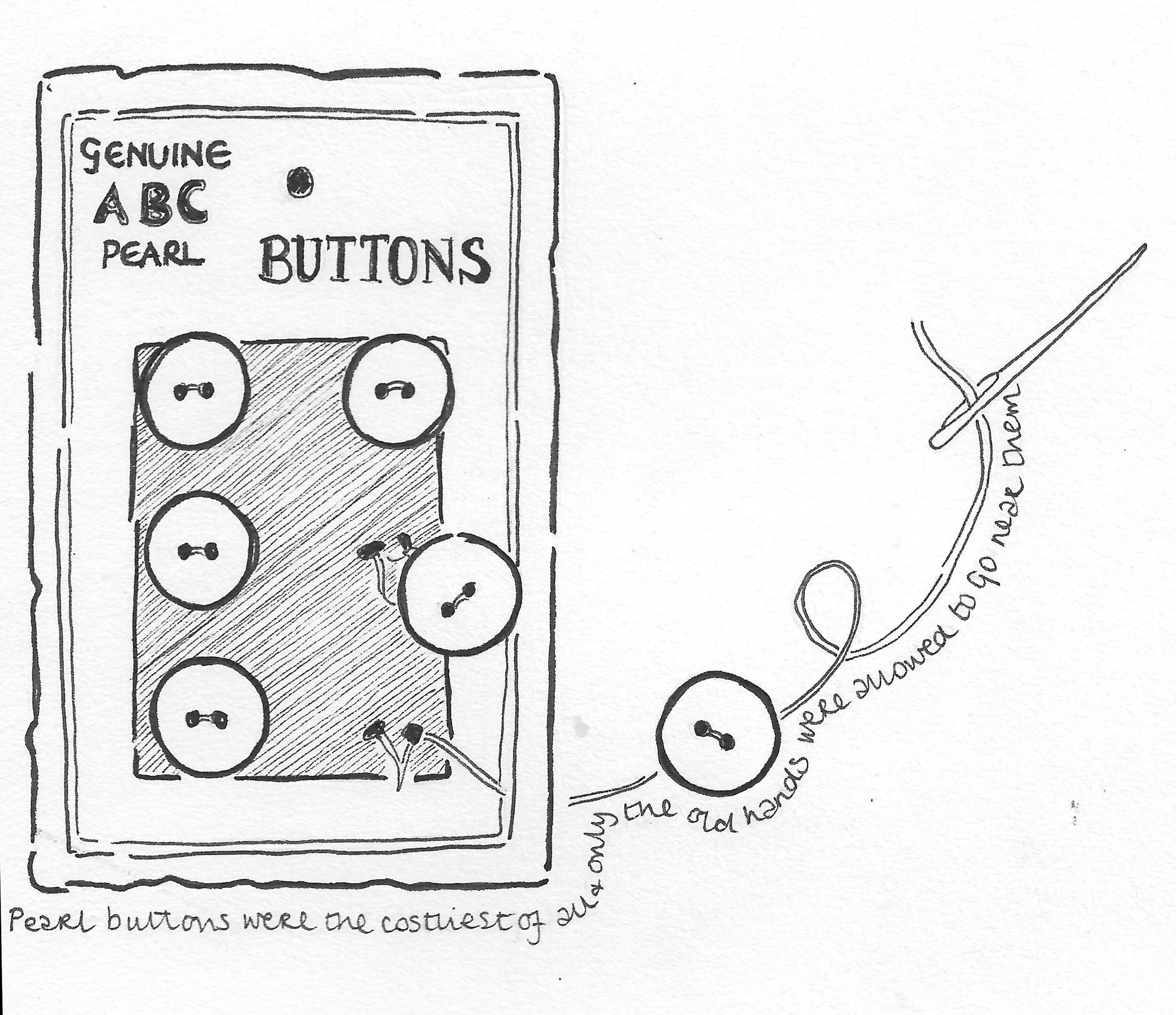
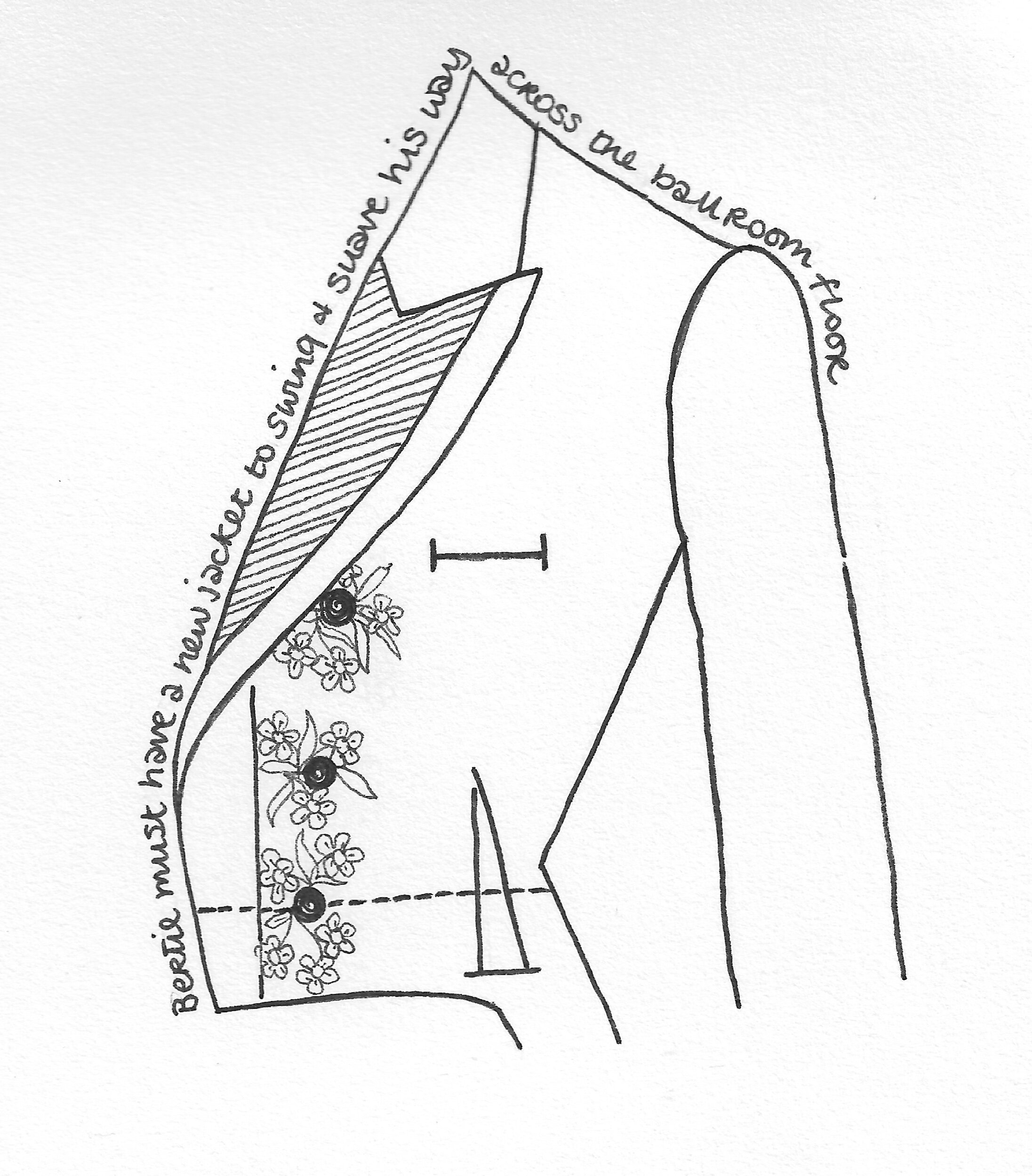
The Green Lady is the third part of a literary coming of age story that began with Girl with Dove. Here, the child-narrator completes her journey from reader to writer with the help of folklore and the laws of nature. Alongside these forms of knowledge emerge several spirits of place, including the suffragist and folk song revivalist, Mary Neal and the painter J.M.W Turner, whose painting of Shoreham harbour becomes a primal scene for the history of a town and its people. Her sources are histories of ancestors and ancestral spirits, told to her by her grandmother’s whole knowledge of the natural world. The wind, the rain, plants, trees and flowers sow deep seeds in the child’s literary imagination, offering her ways of seeing the world through botany, meteorology and poetry.
Pictured are maps and illustrations by Anne Griffiths for ‘The Green Lady’
“We were immediately won over by the sheer verve of Sally Bayley's writing. She joyously rips up every rule book in the school of memoir and tells her heartwrenching story in her own unique way, by slipping, as in a fairy tale, into the skins of the fictional characters that have shaped her world – Jane Eyre, Falstaff, Miss Marple, Betsey Trotwood. In this topsy-turvy universe you no longer know if you are reading non-fiction, fiction, or fantasy, or some new and previously unimaginable cocktail of all three. Beautifully, stunningly original.”
– Philip Terry (2025 Judge, The Society of Authors Travelling Scholarships)

